01
Virtual creator identities with names, roles, visual direction, tone, and audience positioning.
VIRTUAL INFLUENCERS
SHOT.IS designs virtual influencers as repeatable brand assets rather than one-off images. Every character ships with a locked identity, wardrobe logic, brand lore, and a content system that carries campaigns week after week.
Campaign outputs
Virtual creator identities with names, roles, visual direction, tone, and audience positioning.
Consistent AI character assets for product posts, UGC-style video, short-form ads, and campaign visuals.
Content pillars, recurring formats, launch concepts, and platform-specific creative packages.
Brand-safe guidelines for how the virtual influencer appears, speaks, and promotes offers.
Product heroes, character-led spots, and virtual influencer personas, built as systems so your brand looks identical across every variant. The frames below come from shipped campaigns.
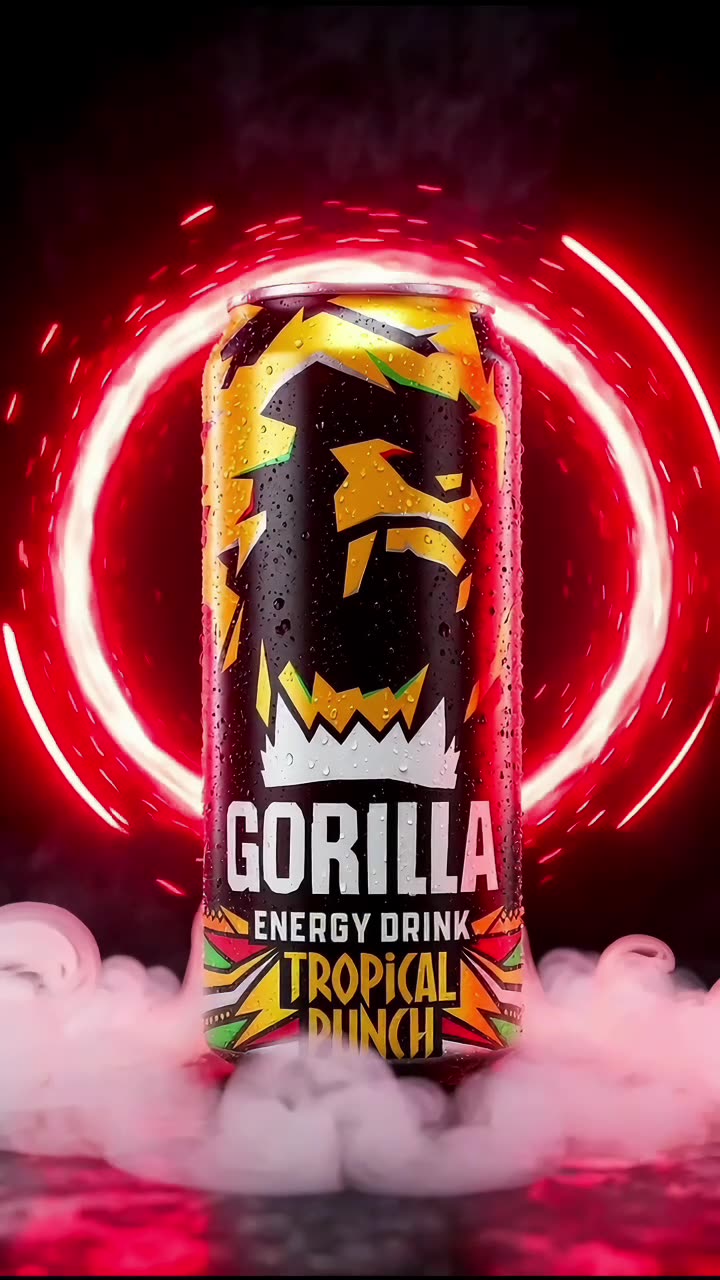
Packshot campaigns // neon studio look, 9:16
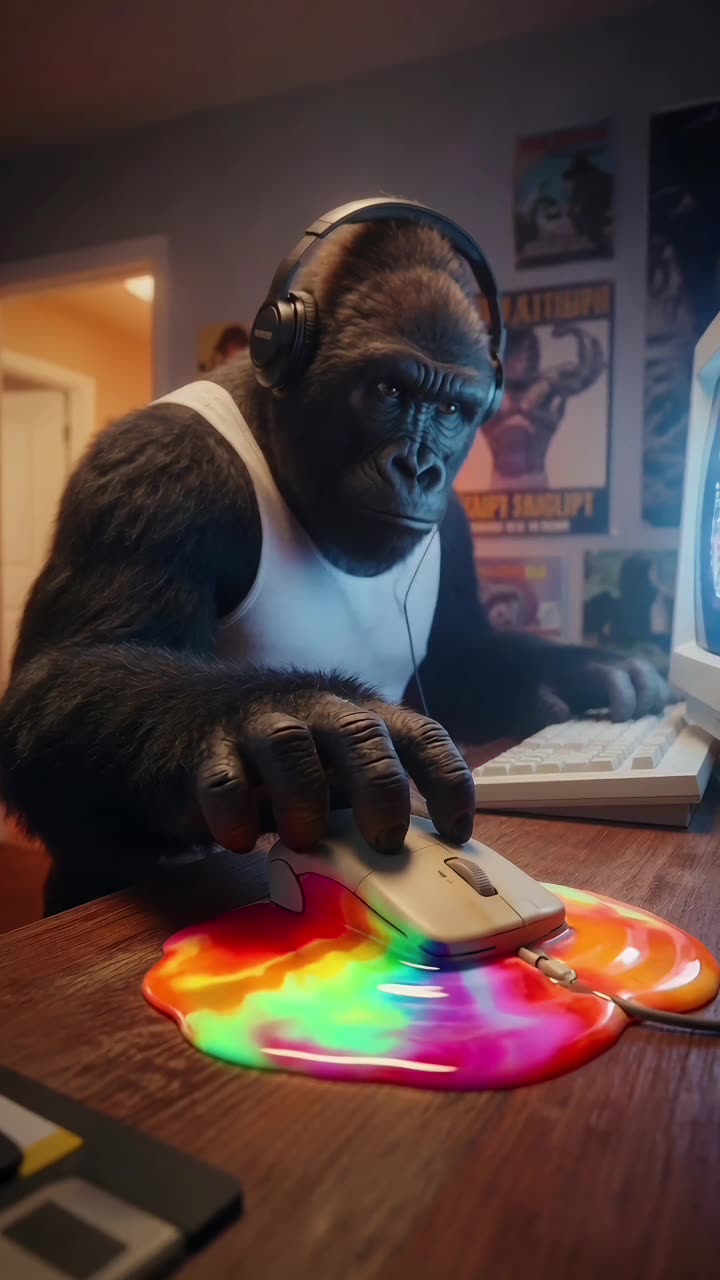
Brand mascot as a repeatable persona
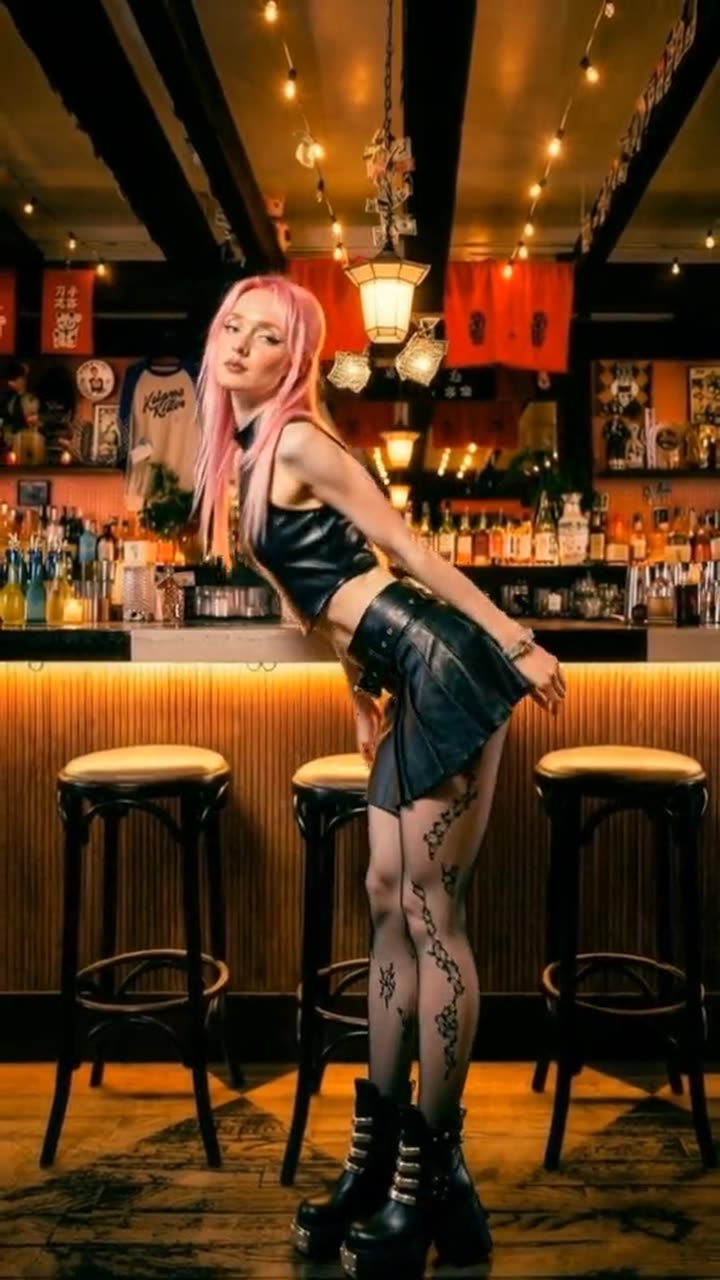
Virtual influencer personas // testimonial ads
Workflow
We define the audience, the genre, the brand fit, the visual lane, and the campaign purpose before we design the character.
The creator gets a repeatable face, wardrobe logic, a world, a tone, and rules for how they behave on camera.
The system expands into videos, stills, scripts, captions, and paid social versions.
A strong creator system supports launches, collabs, seasonal drops, and localized market versions.
Best for
Brands that want a controllable creator asset instead of a campaign that depends on one external influencer.
Use it when
Your brand needs a creator identity that stays recognizable across posts, ads, markets, and launches.
Output quality
We emphasize consistency, recognizability, lore, and content formats that repeat over time.
Case in motion
Challenge
The team wanted a recognizable AI face for product drops without depending on a single human creator schedule.
Outcome
A virtual influencer carried four launches across 11 markets. The character now anchors weekly social posts and reusable ad creative without per-campaign casting.
Questions
A virtual influencer is a digital creator identity used in social content, campaigns, and brand storytelling. Think Lil Miquela or Shudu, scoped to your brand. For performance marketing, the character design matters less than the ability to produce repeatable content quickly.
You control timing, format, visuals, localization, and campaign continuity. Human influencers still bring audience trust. Virtual creators win when consistency and production speed decide the outcome, and many brands run both: a human creator for reach, a virtual one for always-on content.
Four steps. Position the creator against an audience, genre, and brand fit. Lock the identity with a canonical face set, wardrobe logic, world, and tone. Generate campaign assets with reference-anchored AI production. QA every output against the identity so the character stays recognizable. You end up with a system rather than a folder of images.
Far less than the celebrity-grade CGI characters that made the format famous, since full studios run those. A brand-scoped virtual creator is a one-time identity build plus per-campaign content production, so compare it against your ongoing creator sourcing and reshoot costs. Price depends on how many formats and markets the character covers. Brief us and we will scope it.
A locked identity takes days rather than months, and the first campaign content pack follows within one to two weeks. After that, new drops, seasonal offers, and localized versions start from the existing identity instead of from zero.
Yes, and this is the hard engineering part that sinks one-off image generation as an influencer strategy. We use canonical reference sets, reference-anchored generation, and machine-graded identity QA so the same face, styling, and world survive across posts, ads, formats, and weeks.
In several markets, yes. Sponsored content must be labeled as advertising everywhere, and jurisdictions like the US and India require you to disclose that the character is not a real person. Platforms add their own AI-content labels. Every SHOT.IS character ships with brand-safety guidelines covering disclosure rules for each market it runs in.
